OEM vs aftermarket Glock parts: where upgrading pays off
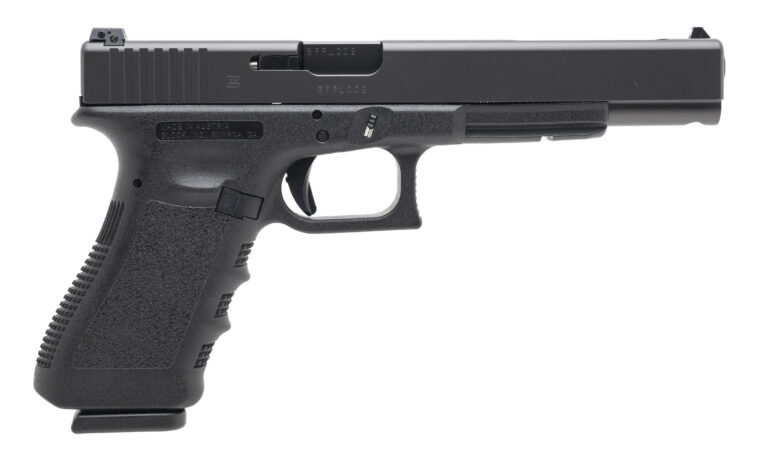
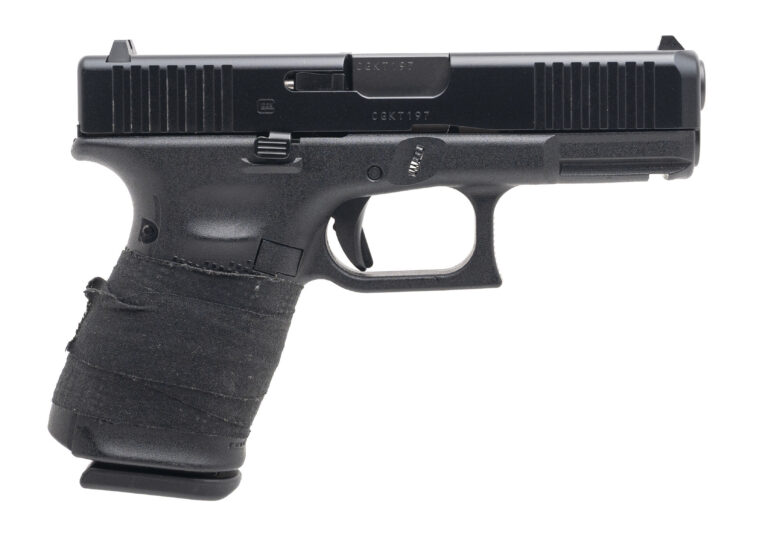
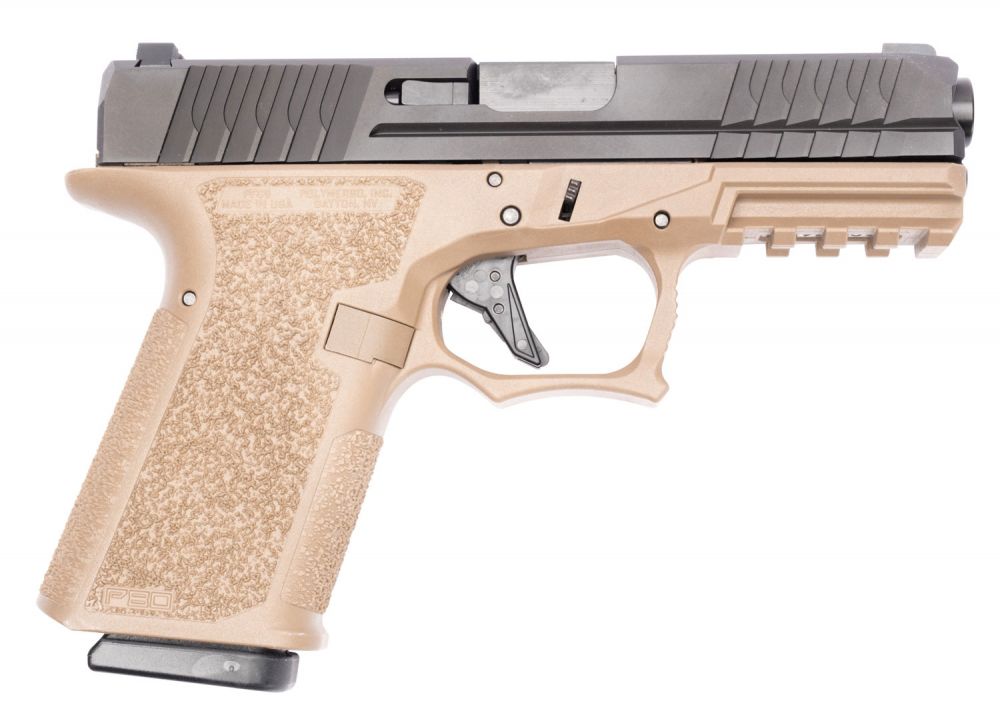
The Glock aftermarket is the largest for any handgun, and it sells both real improvements and parts that make a pistol worse. The way to sort them is by what a part does. Parts that decide whether the pistol fires and cycles are reliability parts, and Glock's own are hard to beat. Parts that decide how the pistol feels, points and looks are feel parts, and the aftermarket often does them better. This guide goes through the bins in that order.
Keep factory: the reliability parts
- Extractor, extractor depressor plunger and bearing: the parts that decide ejection. Factory, matched to the generation and the LCI type.
- Firing pin safety and its spring: the drop safety. Factory spring always; a polished plunger is the only acceptable change.
- Striker and striker spring on a carry gun: the parts that decide ignition. Factory weight; aftermarket strikers belong on match guns.
- Ejector and trigger housing: factory, by caliber and generation.
- Locking block and slide lock: factory. Nothing to gain.
- Recoil spring assembly on a carry gun: factory, replaced on schedule.
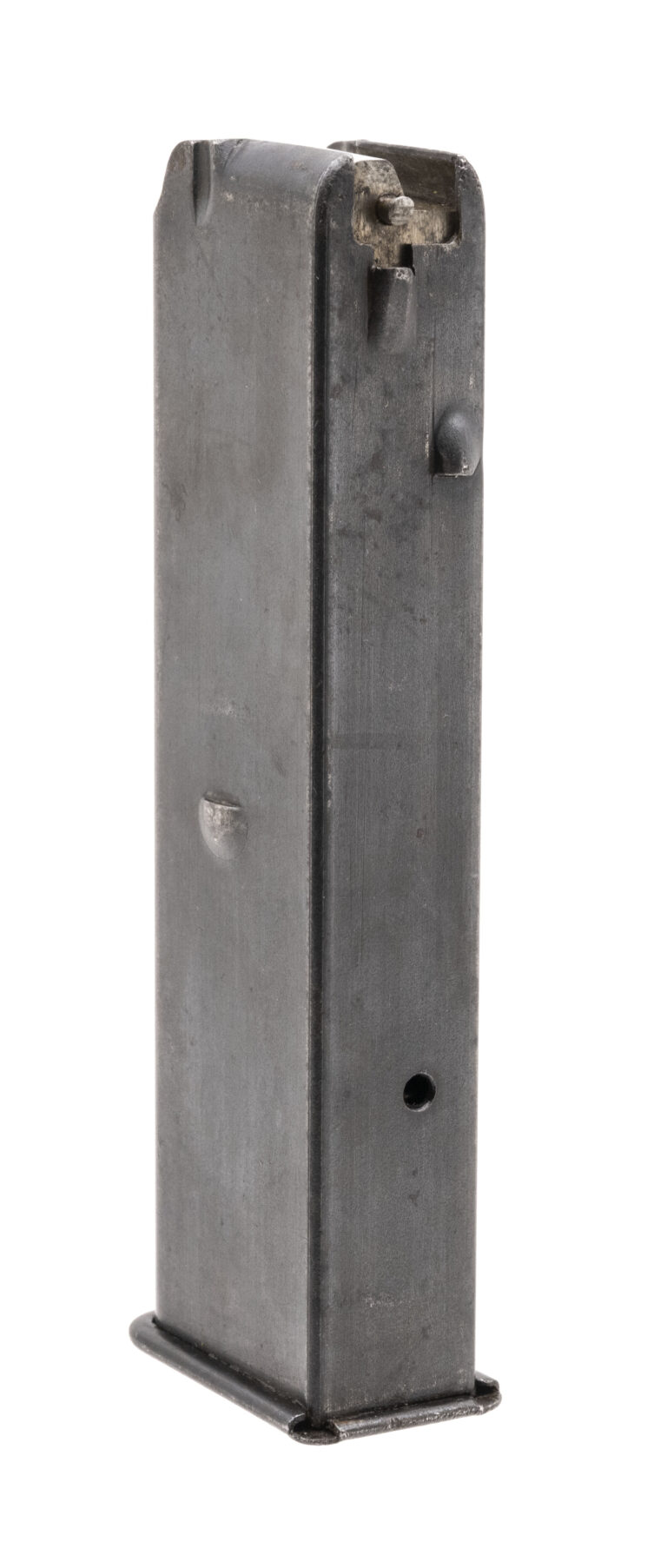
- Magazines for carry: factory or Magpul, nothing else.
Buy aftermarket: the feel parts
- Sights: the factory polymer sights are the one part everyone replaces. Steel tritium or fiber-optic sights are strictly better.
- Trigger shoe and connector: a flat shoe and a minus connector improve the pull without touching the safeties.
- Slide: an aftermarket slide cut for a red dot leaves the factory slide untouched and often adds serrations and a coating.
- Barrel: for threads, conventional rifling or a second caliber; the factory barrel is accurate enough otherwise.
- Grip texture, backstraps, magwell: personal fit, all aftermarket.
- Magazine baseplates and pinky extensions: aftermarket, with the matching spring and within state limits.
- Guide rod: steel or tungsten to run uncaptured springs on a range gun.
The middle bin
Some parts are fine either way. Slide stop levers, magazine catches and slide locks come extended from the aftermarket for shooters who want them, and the factory versions are fine for everyone else. Pins in stainless or titanium are cosmetic. Slide cover plates are cosmetic. Aluminum baseplates are more durable than polymer but heavier. Trigger springs in a 6 pound weight are a reasonable aftermarket change on any gun; striker springs below factory are a range-gun change only.
Where the aftermarket causes problems
Aftermarket extractors are the most common cause of the ejection complaints we hear; they are made to a drawing, not fitted to a slide, and Glock's own are fitted at the factory. Reduced-power striker springs cause light strikes with hard primers. Lightened strikers on reduced springs compound that. Set-screw triggers adjusted too far remove the drop safety. Cheap imported magazines cause feed failures. Extended slide stops get pinned by a high grip and stop the slide locking back. None of these are reasons to avoid the aftermarket; they are reasons to buy the right bin from it.
How to judge an aftermarket part
Three questions sort most of the aftermarket. Does the maker say which generation and model it fits, in writing, on the listing? Does the part keep every factory safety working without modification, and does the maker say so? Does the maker have a record you can check, years of the same part in the same catalog rather than a new name each season? A part that passes all three is worth trying; a part that fails the second is not worth trying on anything you carry. Price is a weak signal in both directions: the best sights on the market cost less than the worst slides.
Sights: the exception that proves the rule
Sights are the one place where the factory part is worse than almost every aftermarket option, because Glock ships polymer sights as a cost decision and expects agencies and owners to replace them. Steel sights from any established maker will outlast the pistol. If you buy one aftermarket part for a Glock, buy sights, and buy them before you buy a trigger.
Warranty
Glock's warranty covers factory parts and workmanship. Fitting aftermarket parts does not void it wholesale, but Glock will not cover a failure caused by a non-factory part, and a service center may return a pistol to stock. Keep every factory part you remove in a labeled bag; you will want them for a warranty visit, for resale and for the day an aftermarket part turns out to be a mistake.
Cost and order
A sensible aftermarket budget for a new Glock is sights first, then a connector and shoe, then an optic and a cut slide if you want a dot, then a barrel only if you have a use for threads, then grip work. That spends the money where it shows on the target and leaves the reliability bin alone. A pistol built entirely from aftermarket parts can run well, but every part in it was chosen by you rather than tested as a system by the factory, so test it as a system: 500 rounds before you carry it. The parts diagram names every bin, the detail strip guide shows how to reach them, and the tools guide lists what you need.
Older pistols
Every rule above applies twice over to a used pistol, because you do not know what the previous owner changed; strip it, put the reliability bin back to factory, and start from there. Gen 2 and Gen 3 pistols are where the aftermarket is deepest and where OEM parts are getting scarcer for some items; the older Glocks guide covers what to stock. Browse all Glock parts; everything ships to your door.
General information, not legal advice. Current as of September 2026. Laws change; check the official source before you act.