Parts for older Glocks: keeping a Gen 2 or Gen 3 running
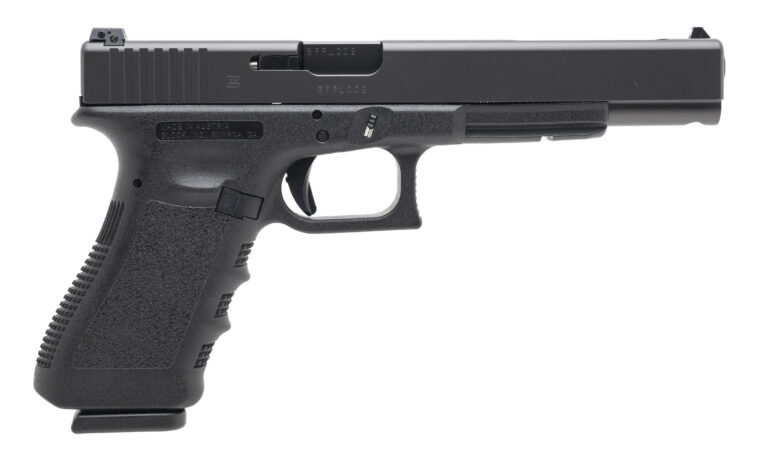
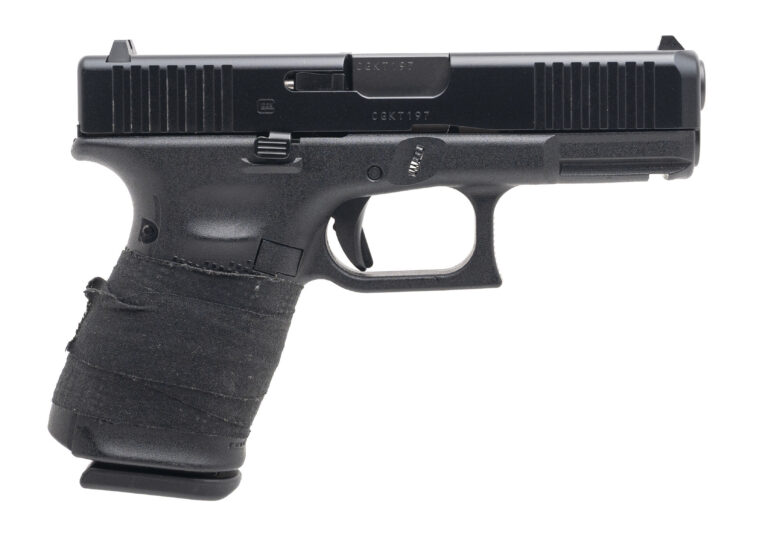
A Gen 2 or Gen 3 Glock is one of the best values in used handguns, and there are millions of them: police trade-ins, first pistols bought in the 1990s, guns handed down. They will run for decades more if the few parts that wear are replaced, and almost every part still fits or has a current equivalent. This guide covers what an older Glock needs, what has changed since it was made, what to stock, and how to tell wear from a broken spring.
What still fits
Gen 3 parts fit a Gen 2, with two exceptions: a Gen 2 made before about 1990 has a two-pin frame and takes the two-pin locking block, and the earliest pistols have a non-LCI extractor that takes a different spring-loaded bearing. Gen 3 slides, barrels, trigger bars, housings, connectors, springs, sights and magazines fit any Gen 2. Gen 4 slides and barrels fit a Gen 2 or Gen 3 frame with the Gen 4 recoil assembly. Gen 5 parts do not fit. The aftermarket cut for Gen 3 is the largest for any pistol, so an older Glock has more choice than a new one.
What has been superseded
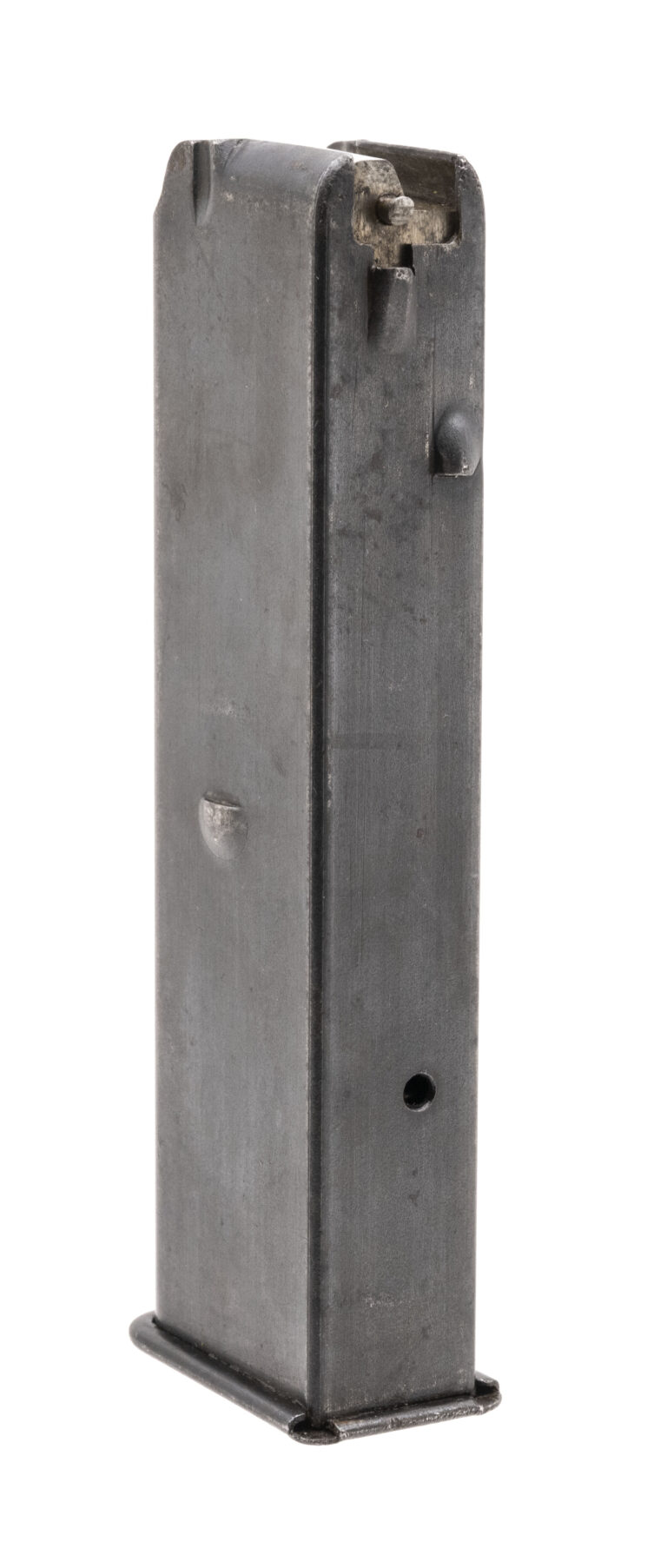
Glock revised several parts over the years and the current versions fit older pistols and are the ones to buy. The extractor went from plain to loaded chamber indicator; either works, but the bearing must match. The trigger housing ejector went through revisions for 9mm; the current 336 ejector housing fits Gen 2 to Gen 4. The recoil spring on Gen 3 pistols is now sold as a captured assembly. Magazine followers were renumbered several times; the current follower for the caliber fits every older magazine body. Early non-drop-free magazines can be replaced with current ones without change to the pistol.
The wear list for an older Glock
- Recoil spring assembly: replace on purchase and every 3,000 to 5,000 rounds.
- Magazine springs and followers: replace on purchase; old followers crack.
- Trigger spring and slide lock spring: replace on purchase; the leaf slide lock spring fatigues with age regardless of rounds.
- Striker spring: replace if the pistol has light strikes or an unknown history.
- Extractor and depressor plunger: inspect the claw; replace if chipped.
- Night sights: tritium fades after ten to twelve years; a trade-in's sights are usually dead.
- Frame pins: replace if they walk; a frame with many strips loosens.
Wear versus a tired spring
Most complaints about an old Glock are springs. Brass landing far behind you and a slide that does not return to battery is the recoil spring. Failures to feed the last round and a slide that does not lock back is the magazine spring or follower. Light primer strikes is the striker spring or a dirty channel. A trigger that does not return is a broken trigger spring. Real wear shows differently: peening on the locking block face, a cracked slide rail on the frame, a barrel hood with heavy wear, an extractor claw rounded off. Those are rare on a Glock under 50,000 rounds and are a gunsmith's call. Replace the springs first and most old Glocks come back to new.
Frame cracks and rails
Check the frame rails at the front and rear for cracks, particularly on early Gen 2 .40 pistols; the frame is polymer around steel rails and a cracked rail is a retired frame. Check the area around the locking block pin for a crack on three-pin frames. Glock replaced many of these under warranty over the years and will still look at one. A frame is the only part that is a firearm, so a replacement goes through a dealer.
What to stock
For an older Glock that will be kept and shot, keep a bag with a recoil assembly, a trigger spring, a slide lock spring, a striker spring with cups, a magazine spring and follower, an extractor depressor plunger assembly with the right bearing, and the three frame pins. Add a spare extractor for the generation and LCI type. That kit keeps a Gen 2 or Gen 3 running indefinitely for the price of a box of good ammunition. Sights are the one upgrade worth making on every old Glock; the plastic ones will be worn round.
Buying a trade-in: what to check
Rack the slide and feel for grit or a hitch; a clean rack means clean rails. Pull the trigger on the empty chamber and listen for the reset; a mushy reset is a tired trigger spring. Look at the barrel crown and the hood for wear and at the feed ramp for gouges. Push the slide forward hard and check the slide lock holds. Check the frame rails and the locking block area for cracks. Count the pins and note the generation. A pistol that passes those with a worn finish and holster wear is the good kind of used Glock: carried a lot and shot a little.
Upgrading an older Glock
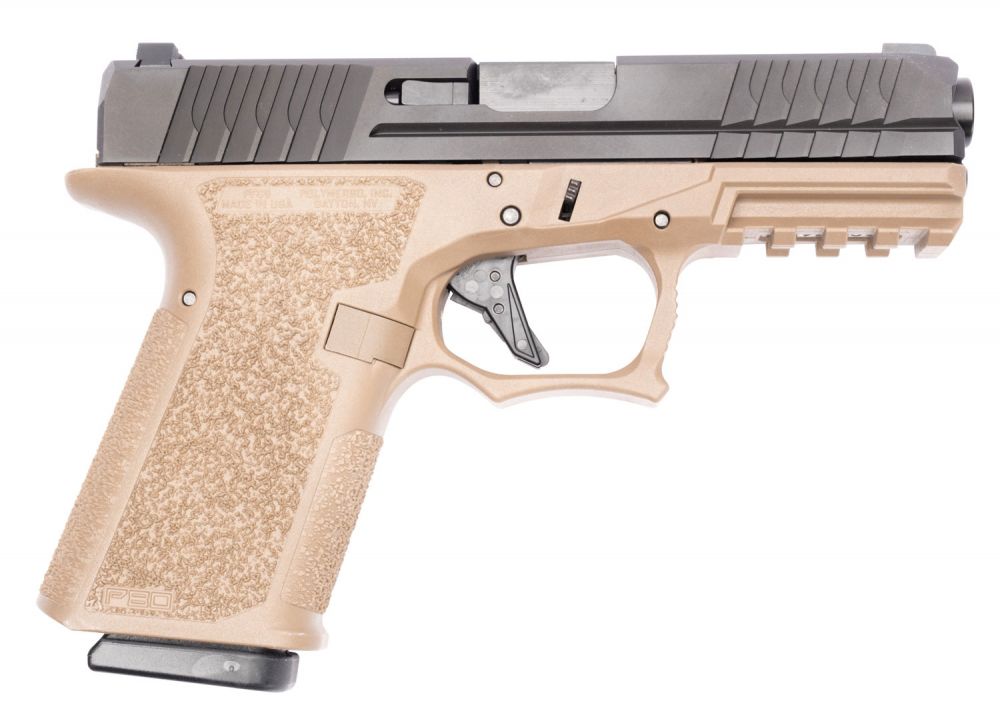
Because the Gen 3 pattern is the aftermarket standard, an older Glock takes every aftermarket slide, barrel, trigger and frame part made for Gen 3. A police trade-in with new sights, a fresh spring kit and a minus connector is a better pistol than it was new and costs less than a new one. The OEM versus aftermarket guide says which bins to buy from, the detail strip guide shows how to fit them, and the parts diagram names each part. Browse Gen 3 parts and springs; everything ships to your door, and trade-in pistols ship to your FFL dealer.
General information, not legal advice. Current as of September 2026. Laws change; check the official source before you act.